


Peer Support for Pilots in the Wake of an Accident or Incident
ASO Volunteers Receive CIRP Training in Phoenix
ALPA’s Air Safety Organization (ASO) Critical Incident Response Program (CIRP) conducted Group, Individual, and Recurrent Crisis Intervention Training Courses on April 21–23 in Phoenix, Arizona. Thirty-one participants from 12 U.S. and Canadian pilot groups took part in the training sessions. Together, these representatives are a quiet but essential part of ALPA’s pilot-assistance mission: pilots trained to support other pilots when it matters most.
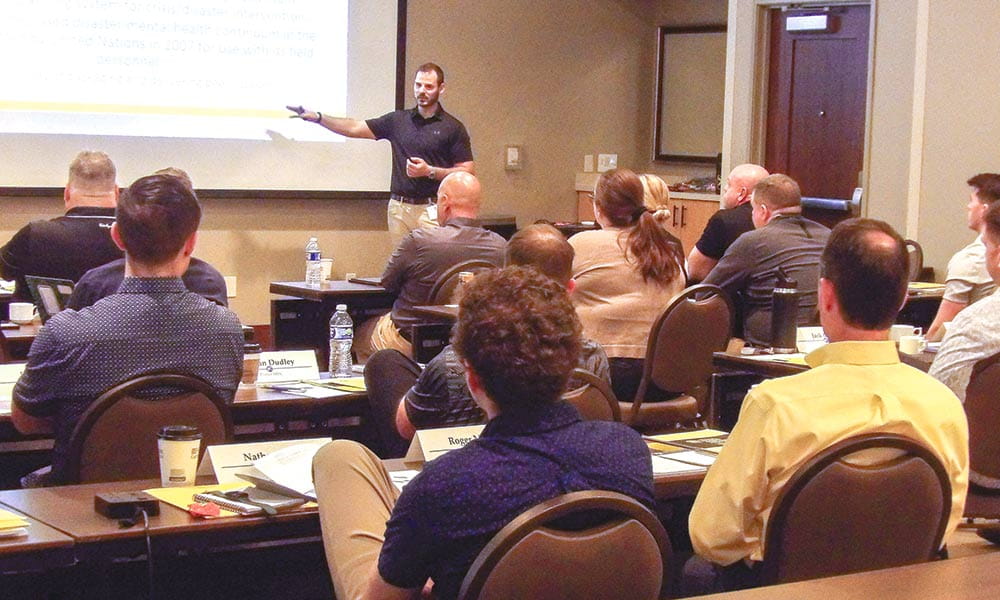
ALPA’s CIRP helps to mitigate the psychological impact of an incident or accident and aid in normal recovery from these events before harmful stress reactions affect job performance, careers, families, and health. The three-day training is designed to prepare volunteers to serve as peers within the program.
“It’s exciting to be here and see so many new faces, but also our experienced members returning for recurrent training,” said F/O Marshall Motley (United), the ASO CIRP chair and lead instructor. “This work of CIRP isn’t always easy, but it’s always appreciated by our fellow pilots when they’re involved in some type of work-related event.”
CIRP traces its origins back to the tragic 1988 Aloha Airlines Flight 243 accident. Capt. Madeline “Mimi” Tompkins, at that time performing the duties of first officer on her last flight before upgrading to captain, was flying with Capt. Robert Schornstheimer when the accident occurred. Afterward, she struggled with the emotional aftereffects of the event, which included flashbacks, sleeplessness, and the pressure of returning to the flight deck under intense public scrutiny. At the time, there was no formal structure within the profession to address these challenges. Her experience, and the work that followed, helped lay the foundation for what would become ALPA’s Critical Incident Response Program.
Since its first training class in 1994, CIRP has evolved into a structured, peer-based support network grounded in methodologies developed by the International Critical Incident Stress Foundation. While the program has grown and adapted over the years, its core purpose has remained unchanged: to ensure that no pilot must face the aftermath of a critical incident alone.
At the center of CIRP preparation is a comprehensive training model built on the principles of Critical Incident Stress Management. Individual Crisis Intervention, Group Crisis Intervention, and Recurrent Training each plays a role in preparing CIRP volunteers for real-world response.
The Individual Crisis Intervention Course focuses on one-on-one engagement. It provides a specific protocol for interacting with individuals during the immediate aftermath of a traumatic event, emphasizing listening skills, situational awareness, and appropriate referral when additional support is needed.
The Group Crisis Intervention Course introduces participants to a structured, multicomponent approach to supporting group interactions following a critical event. Pilots learn how to facilitate demobilizations, defusings, and formal critical incident stress debriefings, which serve as guided discussions designed to help participants process shared experiences in a structured and supportive environment.
The Recurrent Training Course builds on these foundations. Experienced CIRP volunteers return to refine their skills through scenario-based exercises, practicing structured intervention techniques in realistic, high-pressure situations.
Crisis intervention isn’t therapy. It’s “emotional first aid.” Just as physical first aid stabilizes an injury before more advanced treatment is provided, crisis intervention offers immediate support to help mitigate the initial impact of psychological stress. When a critical incident occurs, CIRP volunteers are often mobilized within hours. Their role isn’t to investigate or to determine the cause of the actual event. Instead, they provide immediate, confidential peer support to those affected.
CIRP volunteers reach out to affected pilots at their home bases, in crew rooms, or wherever they may be located. Volunteers also frequently work alongside ALPA’s accident investigators, providing regular check-ins as investigators carry out their work. Conversations are confidential and voluntary. No notes are taken. Rank is set aside, and participation has no bearing on disciplinary proceedings.
“We aren’t focused on the event,” Motley commented. “We care about the reaction to the event. We want to mitigate the reaction.”
Volunteers simply offer a structured, empathetic dialogue between peers focused on helping individuals process the initial emotional impact of an event and connecting them with additional resources, if needed.
How pilots respond to critical incidents, and how they recover, has implications not only for their well-being, but also for the broader safety system. Stress and trauma can affect concentration, decision-making, and communication. If unaddressed, these effects can persist long after an event has occurred. Early, peer-based intervention helps mitigate the impacts, supporting both recovery and a safe return to duty.
Participants in CIRP training learn to recognize the signs of acute stress and to understand the range of responses individuals may exhibit. Some pilots may want to talk immediately. Others may need time. The role of the CIRP peer isn’t to direct the conversation, but to create the conditions in which it can occur.
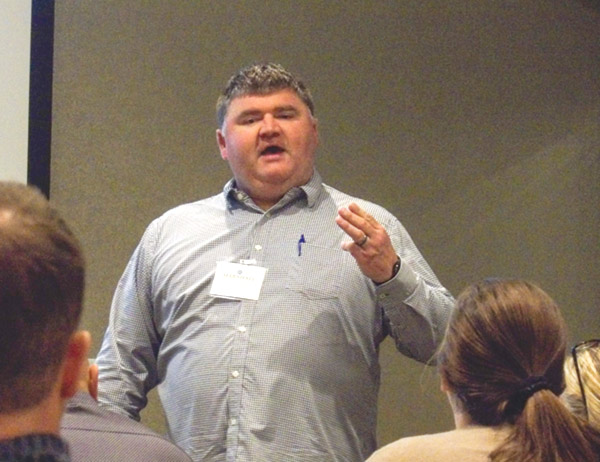
Mark Berg, ALPA’s mental-health advisor, explained how important active listening is when peers interact with those affected by a critical incident, and why it’s important to be cognizant of your own biases.
“We use active listening in all phases of what we do,” observed Berg. “So, it’s important when we have these conversations to be aware of how we listen and take in information. We assume things, and your mind is going to fill in blanks. And sometimes it’s going to be inaccurate. We have to work really hard to combat those assumptions.”
Berg, a long-time CIRP instructor, noted that ALPA’s program continues to grow. “We’re seeing a lot more participation in our training sessions because of recent events, especially among smaller pilot groups.”
CIRP volunteers mobilized following the Jan. 29, 2025, midair collision involving PSA Flight 5342 and a U.S. Army Sikorsky UH-60 Black Hawk helicopter near Washington National Airport. All 67 people aboard the two aircraft perished. Within hours of the accident, CIRP teams were in place, providing assistance to pilots, investigators, and families affected by the tragedy. CIRP peers also responded to the Feb. 17, 2025, accident at Toronto Pearson International Airport, when Endeavor Air Flight 4819 overturned on the runway upon landing. More recently, volunteers responded to the March 22, 2026, accident involving Jazz Aviation Flight 8646 at LaGuardia Airport, in which both the captain and first officer were fatally injured.
While CIRP’s core mission has remained consistent, the program itself continues to evolve.

Today, it’s fully integrated within ALPA’s Pilot Assistance Group structure, working in coordination with other support programs like Pilot Peer Support to provide a comprehensive response. Training reflects the current understanding of human performance, stress, and resilience, as well as lessons learned over the history of the program. There’s also growing recognition across the industry of the value of peer-based intervention. Increasing participation from both pilot groups and industry stakeholders reflects a broader acceptance of CIRP as an essential component of aviation safety.
“I can’t ‘uncrash’ the airplane,” remarked F/O Lee Keller (Air Canada), the CIRP vice chair, who also serves as an instructor. “I can’t bring the engine back to life. But I can talk you through what you’re going through. I can listen to you. I’m not trying to fix anything. I just want to help you through your initial response to the event and provide you with the resources you need.”
ALPA Members: Explore Training Opportunities
ALPA offers CIRP training several times a year to those interested in volunteering. The next courses are scheduled to take place June 2–4 in Ottawa, Ontario, and June 16–18 as part of the ALPA 101 FAST series of courses at ALPA’s McLean, Virginia, offices.
The ALPA Air Safety organization provides a full suite of comprehensive year-round training courses to help pilots and aviation professionals stay ahead in safety practices and regulatory standards.

Featured Articles


