


Training the Next Generation of ASO Volunteers
Preparing Pilots for Safety, Security, Jumpseat, and Pilot Assistance Advocacy
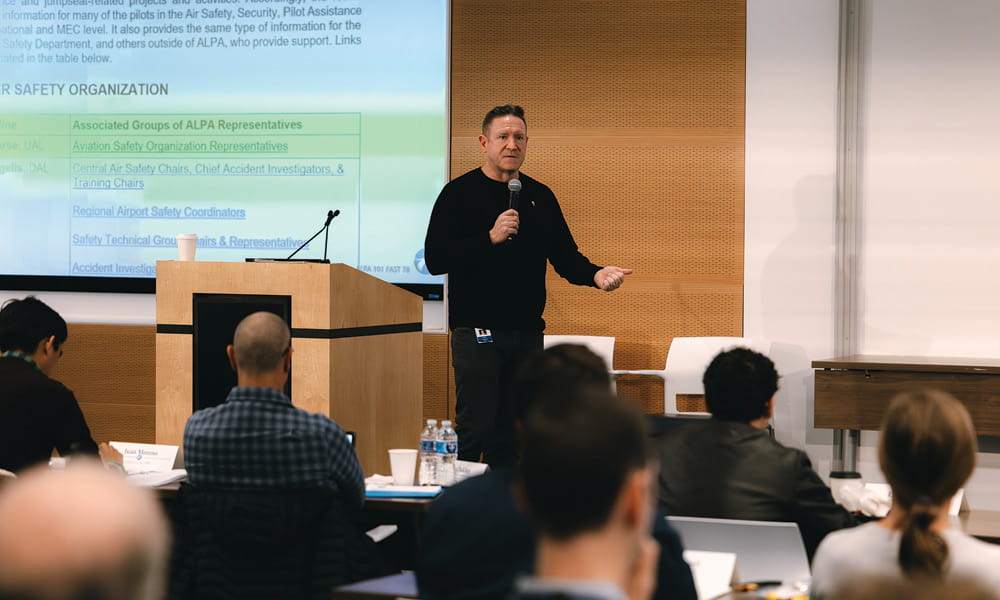
Pilot volunteers from across the Association gathered in McLean, Va., on Nov. 12–14, 2025, to attend ALPA’s Air Safety Organization (ASO) Foundational ALPA Service Training (FAST) and related FAST series courses. Sixty-three attendees participated, including 57 ALPA members representing 18 pilot group master executive councils.
FAST introduces new volunteers to the work of ALPA’s ASO and its four pillars—Aviation Safety, Aviation Security, Pilot Assistance, and Aviation Jumpseat. The course covers ALPA’s mission, history, and organizational structure while helping participants develop the skills and knowledge needed to serve their fellow members effectively.
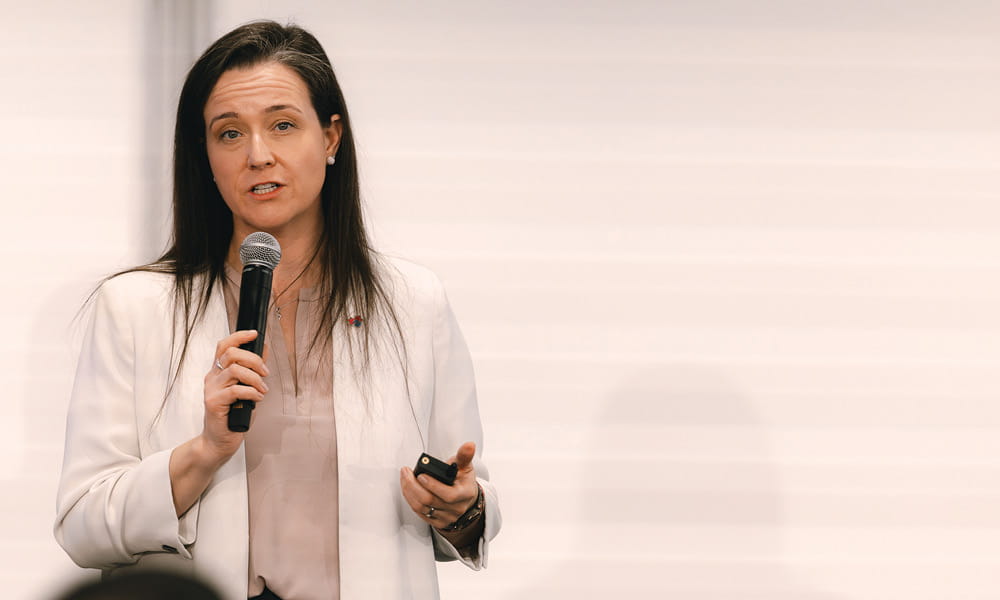
“Each of you is selflessly stepping up to serve your fellow pilots and ALPA as a whole,” said Capt. Wendy Morse, ALPA’s first vice president and national safety coordinator. “By joining one of the ASO pillars, you’re connecting to the core of what ALPA does best—pilots helping pilots.”
FAST also serves as the gateway to ASO specialty courses, equipping volunteers with the tools and confidence necessary to contribute meaningfully to their pilot groups and to the Association. The first day of training was FAST followed the next days by Initial Safety Training, Security 101, Airport Safety Liaison (ASL), and Jumpseat Expert Training.
Safety: A Constant Push for Improvement
FAST instructors framed ALPA’s safety mission as one built over decades of advocacy, technical knowledge, and continuous improvement. Volunteers support safety reporting systems, training, procedures, airport operations, and more. Instructors emphasized disciplined communication and cross-pillar coordination to address issues that can have an effect on the entire aviation system.
“What we do affects all of the national airspace system,” observed Capt. Steve Jangelis (Delta), ALPA’s Aviation Safety Group chair. “The Association’s influence works because it’s grounded in expertise, and that expertise comes from volunteers like you.”
Building on that theme, Capt. Jeff Mee (United), ALPA’s Accident Analysis & Prevention Group chair, discussed how his group’s work underscores the need for constant vigilance. “Incidents and accidents happen all the time,” he noted. “We can’t let our guard down. Every generation has to pick up the torch and say the work isn’t done.”
Capt. Kevin Slovinski (Spirit), the union’s Safety Management Systems Group chair, who briefed participants on voluntary safety reporting systems, offered a personal perspective on the value of service. “If I can leave this place just a little better than I found it, that’s a win,” he said. “That’s the goal for all of us.”
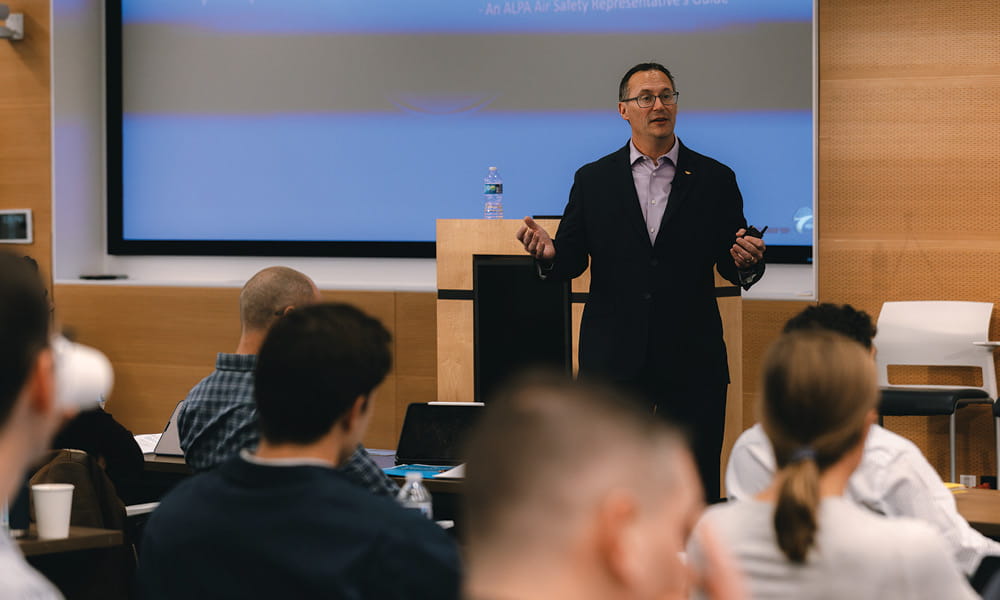
Safety instruction also included initial ASL training, led by Capt. John Bird (Air Canada). Participants heard firsthand from Heidi Sim, airport duty manager with the Metropolitan Washington Airports Authority, and Capt. Robert Devadason (JetBlue), ALPA’s ASL for Washington National Airport, about how collaboration between airport personnel and ASLs helps resolve safety issues on the ground.
A practical advocacy module further demonstrated how safety work extends beyond data and reports. In a one-minute “elevator pitch” exercise, attendees practiced presenting safety concerns to a mock manager, highlighting the importance of clear communication, constructive dialogue, and focused solutions.
Capt. Wes Clapper, the Association’s vice president–finance/treasurer, stopped by to offer additional advice. “Identify the problem,” he remarked, “but then show that person what they get out of fixing it. That’s how you get traction.”
Security: Addressing Threats in the National Airspace System
FAST’s security segment provided a look at today’s threat landscape.
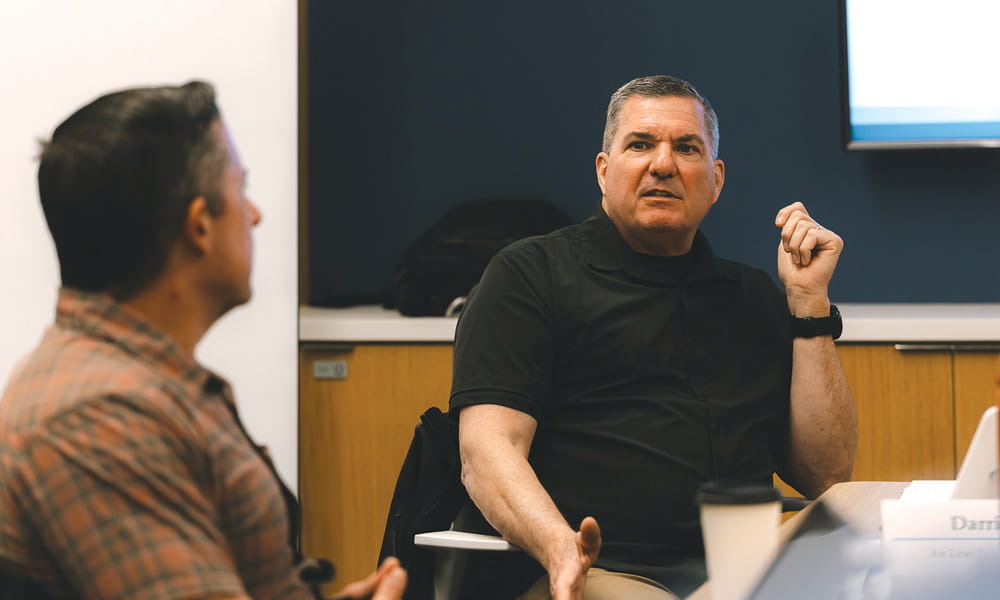
“Right now, the threat levels in this industry are the highest we’ve ever seen,” said Capt. Darrin Dorn (Alaska), the union’s longtime Aviation Security Group vice chair. He described security risks ranging from unmanned aerial systems to cyber intrusions to chemical threats, sharing real-world examples such as drone disruptions, laser strikes, weather balloons impacting aircraft at cruise altitude, and other emerging vulnerabilities.
Dorn emphasized that ALPA’s security posture—built on strong partnerships, the Federal Flight Deck Officer program, and constant information sharing—relies on pilot engagement. “If you truly care about the safety of your crew and passengers,” he commented, “get involved. Know the threats. Use the resources we’ve built.”
Pilot Assistance: Taking Care of Our Own
FAST participants were also introduced to the broad scope of the Association’s Pilot Assistance programs. Pilots face medical conditions, family stress, substance use disorders, burnout, and conflicts that can affect performance or well-being. The union’s support structure—including Aeromedical, the Critical Incident Response Program, the Human Intervention Motivation Study, Pilot Peer Support, Professional Standards, and Canadian Pilot Assistance—ensures that no pilot confronts those challenges alone.
“We’re not here to judge anyone,” observed F/O Chris Arnold (United), ALPA’s Pilot Assistance Group vice chair. “We’re here to help them succeed, with confidentiality, compassion, and professionalism.”
Arnold noted that many pilots who need help never initiate contact on their own. “A simple conversation can change the entire trajectory of someone’s career—or their life,” he said.
Jumpseat: Essential to the Industry
Capt. Rob Ventura (United), the Association’s Aviation Jumpseat Group vice chair, provided an overview of jumpseat policies and their critical role in airline operations.
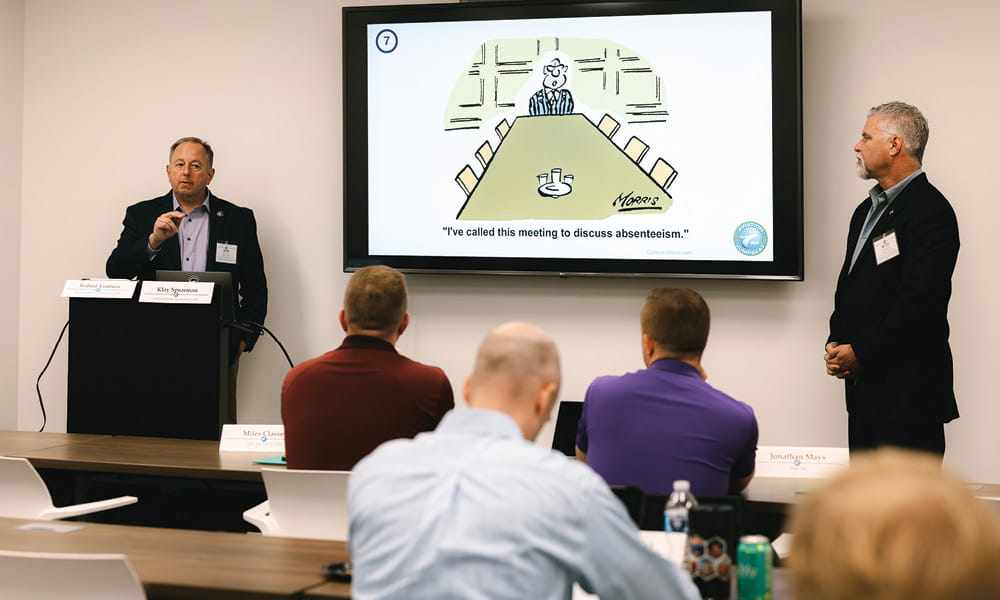
“We’re a 65-percent commuting industry,” Ventura noted. “Without the jumpseat, airline operations would grind to a halt, and regulators will take it away in a second if we give them a reason.”
He reinforced the importance of pilot-in-command authority, documentation checks, and professional standards that safeguard flight deck access. Ventura and his Canadian counterpart, F/O Klay Spearman (Air Canada), his pilot group’s Jumpseat Committee chair, also briefed attendees on domestic regulatory differences and the ongoing international effort to restore global flight deck jumpseat access.
Beyond commuting, Ventura reminded pilots that the jumpseat contributes to operational safety and security. “When you’re up there, you’re not just a passenger,” he commented. “You’re another set of eyes and ears dedicated to safety.”
A Community of Service
Above all, FAST reveals that ASO work exists within a larger culture of service. Pilots support pilots. Volunteers help shape policy. Individual actions ripple outward across the entire profession.
Instructors Capt. Stacey Jackson (WestJet), ALPA’s Training Programs coordinator, and Capt. Matt Gorshe (Spirit) reinforced this message. “You’ll find incredibly rewarding work here,” said Jackson, who also serves as a member of ALPA’s Accident Investigation Board. “I get a lot of joy from doing this, and from the people I’ve gotten to know through this work.”
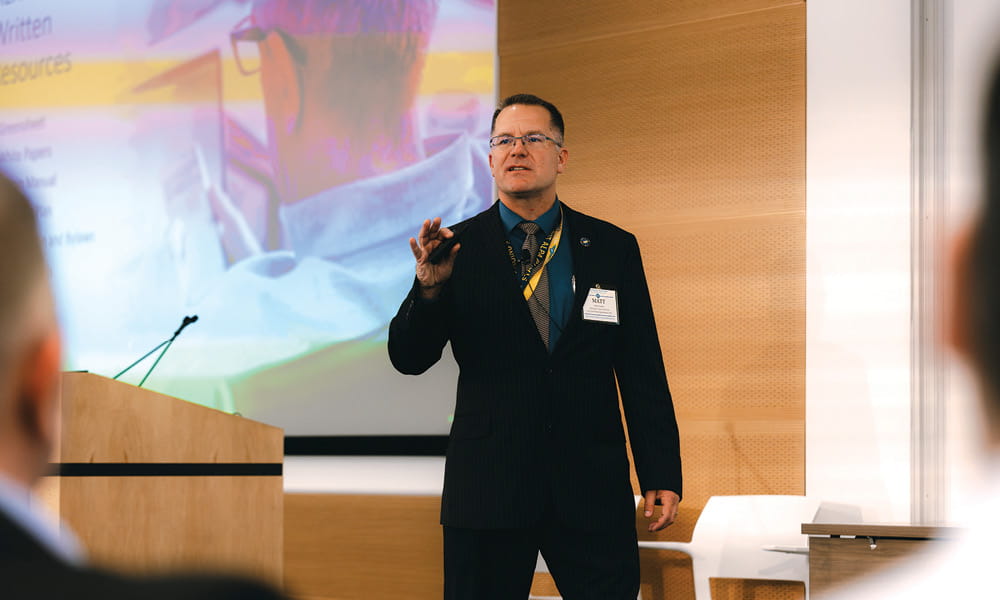
Gorshe echoed those reflections, underscoring the union’s legacy and the continuity between generations of volunteers. “What you do in this room matters,” he observed. “ALPA is the largest nongovernmental aviation safety organization in the world, and the work starts with volunteers just like you. We’re standing on the shoulders of giants. Everything we do today—every meeting, every call, every committee discussion—exists because of what they built.”
“Your work makes our profession safer,” said Morse, who summed up the critical need for ASO volunteers and the training the Association provides to those who raise their hand. “It strengthens ALPA. And it matters—more than you know.”

Featured Articles


