Urge your member of Congress to support an ADS-B In mandate as required in the Senate-passed ROTOR Act.
Article


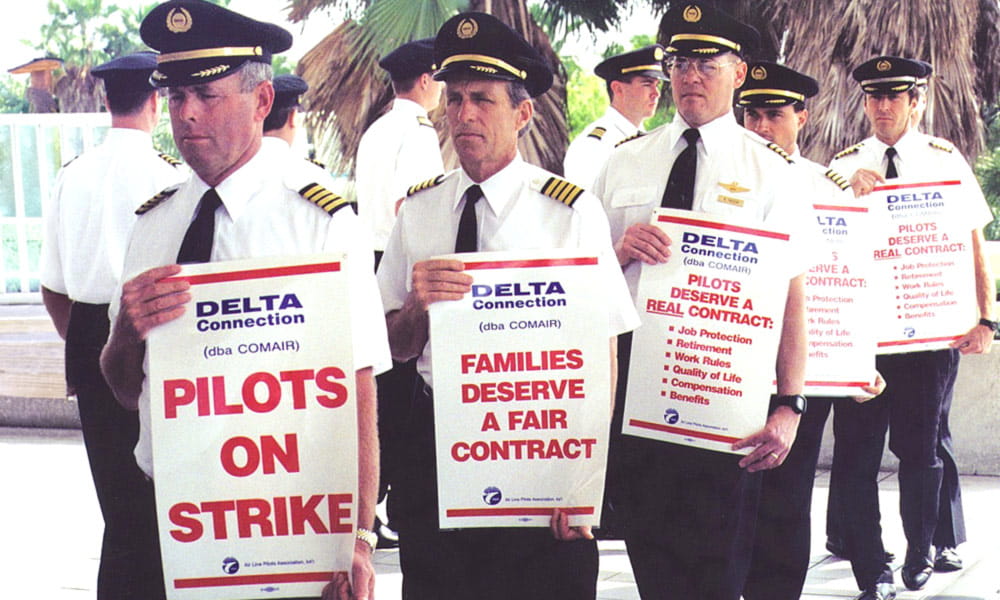
ALPA pilots who flew for Comair Airlines, which also operated as Delta Express, took a stand 25 years ago today when they struck against inadequate wages and work rules in the “regional” commercial airline sector.
“Following more than three years of fruitless negotiations, management's team abandoned negotiations on Sunday, assuring a strike,” said Capt. J.C. Lawson, Comair MEC chair, in a statement announcing the strike.
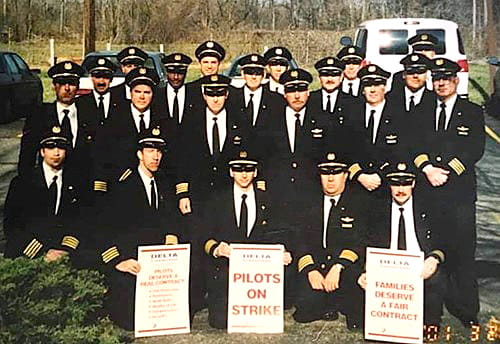
The 1,350 Comair pilots, supported by ALPA, their families, and all other ALPA pilots, went on strike March 26, 2001, and held the line for 89 days. Comair MEC communications stated that Comair pilots were being paid as though they were flying turboprop aircraft for a tiny airline—rather than larger, longer-range regional jet aircraft for a substantial carrier that flew to 95 locations, including destinations in the Bahamas, Canada and Mexico. Pay was so low that the strike pay represented a wage increase for junior pilots.
Another pivotal concern was work rules with adequate rest, as pilots were often on call 16 hours a day awaiting a flight assignment and were required to be on duty as much as 370 hours a month to log 84 to 92 hours in the air.
Pilots turned down two previous contract proposals. The first, which led to the walkout, was accepted by just nine pilots. The second, which the National Mediation Board ordered negotiators to present, was rejected by a vote of 1,042 to 99. MEC leaders indicated the main sticking point was the minimum amount of rest time required between flights.
Unlike the two failed proposals, the last Tentative Agreement was endorsed by pilot negotiators with the rationale that it was much improved in compensation, retirement benefits, retroactive pay, and work rules. That vote passed with 64 percent of pilots who cast ballots voting in favor of the agreement where a simple majority was needed.
“This contract meets our requirement for an agreement that recognizes our value to Comair and our responsibilities as professional airline pilots,” said Lawson.
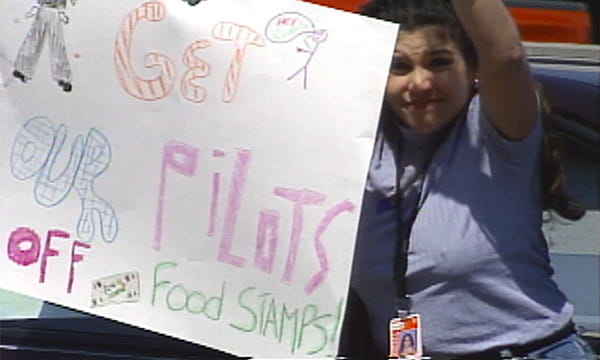
The agreement made Comair pilots the highest-paid in the regional carrier industry and included improvements in work rules and retirement provisions. The Comair pilots’ vote was followed by just days with a decision by Delta pilots to accept a new agreement, making them the highest paid in the industry.
Through their grit, determination, and sacrifices, Comair pilots paved the way for other pilot groups to make needed contract gains. MEC leaders contended that union solidarity made sure the strike cut deep as other Delta pilots were unwilling to help cover Comair routes.
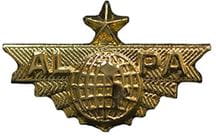
Striking pilots earned the ALPA Battle Star pin—one of the most distinguished and respected symbols for airline pilots. It represents courage and dedication to protect our profession.